
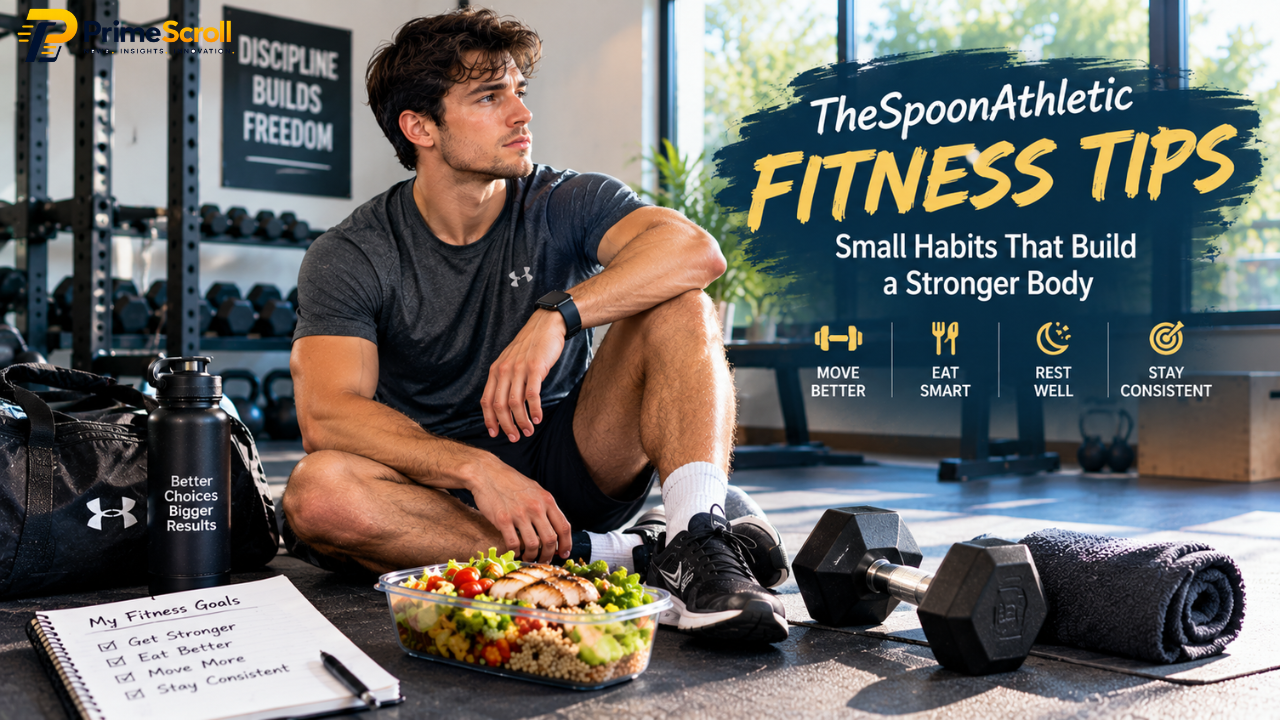
Picture two people who start training on the same Monday.
The first writes a brutal plan: six sessions a week, no sugar, up at 5 a.m. The second picks three short workouts and one rule about dinner. Check back in ninety days, and the second person is usually still training while the first is back on the sofa, feeling guilty.
That gap is what these TheSpoonAthletic fitness tips are built around. You won’t find a miracle routine here. You’ll find a way of planning exercise, food, and rest so your plan still stands on a stressful Wednesday.
Let’s begin with the idea that changes everything else.
Treat Your Energy Like a Daily Budget
Everyone wakes up with a limited amount of energy. Work, traffic, family, and worry all spend from it before you ever lace up your shoes.
Training also costs energy. Spend too much in one place and something else goes into debt, usually your sleep, mood, or immune system.
A simple way to apply this:
- High-budget days: you slept well, ate properly, and feel good. Do your hardest session.
- Medium days: you feel normal. Stick to the plan.
- Low-budget days: you’re drained or stressed. Walk, stretch, or do a short easy workout.
Matching effort to your actual energy keeps you training for years instead of weeks. It also removes the all-or-nothing trap, because a low day still gets a small, useful action.
Set a Target You Can Actually Test
A vague wish like “get in shape” gives you nothing to measure. A good target has a number and a deadline.
Compare these:
- Vague: “I want more stamina.”
- Testable: “In six weeks, I want to walk briskly for 40 minutes without stopping.”
- Vague: “I want to be stronger.”
- Testable: “In eight weeks, I want to do 8 clean push-ups on the floor.”
Pick one main target and one smaller side target. More than that, and your attention scatters.
Check Where You Start
Before you begin, do a quick baseline test. Count how many push-ups you can do, time a brisk 10-minute walk, and note how you feel climbing two floors of stairs. Write the results down. Four weeks from now, you’ll have proof of progress instead of a hunch.
Build a Week That Survives Real Life
Plans collapse when they assume you have unlimited time. Build around the time you truly have, not the time you wish you had.
| Your Weekly Time | Strength | Cardio | Extra |
|---|---|---|---|
| 90 minutes | 2 sessions of 25 min | 1 brisk walk of 30 min | Daily 5-min stretch |
| 150 minutes | 3 sessions of 30 min | 2 sessions of 25 min | One longer weekend walk |
| 240 minutes | 3 sessions of 40 min | 2 sessions of 30 min | One sport or class |
Start in the row that feels slightly easy. Moving up a row is a reward for consistency, not a requirement.
Put your sessions in your calendar like meetings. If it isn’t scheduled, it competes with everything and usually loses.
Strength Basics You Can Learn in One Afternoon
You don’t need a gym full of machines. A handful of movements covers almost every muscle you care about.
- Squat: lower your hips back and down as if sitting on a low stool, then stand.
- Hip hinge: push your hips backward with a flat back, like closing a car door with your backside.
- Push: push-ups (on a wall, bench, or floor depending on level).
- Pull: rows with a band, a backpack, or dumbbells.
- Carry: hold a heavy bag or dumbbells and walk steadily.
- Brace: planks or dead bugs to train your midsection.
How Many Reps?
For general strength, try two to three sets of 8–12 repetitions. Choose a weight where the last two reps feel hard but your form stays clean. If your form breaks, the weight is too heavy.
The Two-Rep Rule for Progress
Once you finish all your sets with two reps still in reserve, make the exercise slightly harder. Add a little weight, slow the lowering phase, or move to a tougher variation. Small steps up beat big jumps.
Cardio Without the Misery
Many beginners treat cardio as punishment. It works better when you treat it as a skill you slowly improve.
Use the talk test to pick your pace:
- Easy: you can hold a full conversation.
- Moderate: you can speak in short sentences.
- Hard: you can only say a few words.
Most of your cardio should sit in the easy-to-moderate zone. Add one short, harder session a week once you feel ready, such as one minute fast followed by two minutes easy, repeated six times.
If running bothers your knees, swap in cycling, swimming, or incline walking. The best option is the one that doesn’t leave you hurting.
Eating for Training Without Counting Everything
Precision tracking isn’t needed for most people. A few repeatable habits do most of the work.
- Anchor each meal with protein. Eggs, dal, chana, yogurt, fish, chicken, tofu, or paneer all work.
- Add color. Fill part of your plate with vegetables or fruit.
- Keep carbs around training. Roti, rice, oats, or bananas give you fuel for the session.
- Choose a default breakfast. One reliable morning meal removes a daily decision.
- Keep a snack ready. Nuts, fruit, or roasted chickpeas stop you from grabbing whatever is nearby.
You don’t need to ban your favorite foods. Aim for good choices most of the time and enjoy the rest without guilt.
For fluids, drink steadily through the day and a bit more around exercise or in hot weather. Pale yellow urine is a handy sign you’re doing fine.
Anyone with diabetes, kidney problems, pregnancy, or another medical condition should get personal advice from a doctor or dietitian before changing their diet.
Sleep, Soreness, and Other Recovery Details
Training is the spark, but recovery decides what you get out of it. Muscle rebuilds, energy stores refill, and your nervous system settles while you rest.
Make Your Nights Work for You
- Choose a fixed wake-up time and protect it.
- Dim the lights and quiet screens before bed.
- Avoid heavy meals and caffeine late in the evening.
- Keep your room as cool and dark as you can.
Most adults function best with seven to nine hours.
Learn What Soreness Means
Mild muscle ache one or two days after a new session is common. It fades as your body adapts.
Pain that is sharp, pinching, centered in a joint, or getting worse each day is a different story. Stop that movement and have it checked if it doesn’t settle.
Use Active Rest
On off days, easy walking, light stretching, or gentle yoga keeps blood flowing without adding stress. You’re resting your body, not freezing it.
Track Signals That Matter
The scale is one tool, but it can mislead you. Daily weight changes with water, salt, and digestion, so a single number rarely tells the real story.
| Signal | How to Check It | A Good Sign |
|---|---|---|
| Strength | Log weights and reps | Slow, steady increases |
| Stamina | Time a fixed walk or run | Same route feels easier or faster |
| Energy | Rate your afternoon energy 1–10 | Scores trend upward |
| Sleep | Note wake-ups and morning mood | Waking up more refreshed |
| Fit | Notice how clothes feel | Looser waist, comfortable movement |
Review these every two weeks, not every day. Short-term swings are noise, while patterns over weeks are the real message.
Mistakes Worth Dodging
- Starting at full speed. Your muscles and tendons adapt more slowly than your enthusiasm.
- Hopping between programs. Give a plan at least a month before judging it.
- Skipping the warm-up. Five minutes of easy movement makes the main session feel smoother.
- Eating too little. Under-fueling leaves you weak, moody, and slow to recover.
- Comparing your chapter one to someone else’s chapter twenty. Social media shows results, not the years behind them.
- Treating one bad day as failure. A single missed session means nothing. A pattern of quitting does.
Frequently Asked Questions
What are the best TheSpoonAthletic fitness tips for someone just starting?
Begin with two or three short workouts a week, learn the basic movements, and eat meals built around real food. Focus on showing up regularly before worrying about intensity.
How long should a workout be?
For beginners, 20 to 40 minutes is plenty. A focused half hour done consistently beats a two-hour session you dread.
Can I build muscle without going to a gym?
Yes. Push-ups, squats, lunges, rows with a band, and loaded backpack carries can all build muscle if you make them gradually harder over time.
How soon will I see changes?
Energy and mood often improve in two to three weeks. Strength gains usually show up around week four to six, and visible body changes tend to need two to three months of steady effort.
Should I exercise when I feel tired?
It depends on the kind of tired. If you’re just low on energy, a gentle walk or light session can help. If you’re ill, dizzy, or in pain, rest instead.
Do I need to follow a strict diet to get fit?
No. A flexible pattern with enough protein, plenty of vegetables, and sensible portions works for most people and is far easier to keep up.
Final Thoughts
Getting fitter isn’t about heroic effort. It’s about building a plan that fits your time, respects your energy, and keeps you coming back.
Use the energy-budget idea, pick one testable goal, and choose the weekly time row that suits your life today. Train with care, eat in a way you can repeat, and treat sleep as part of the program.
Put these TheSpoonAthletic fitness tips to work for a month and compare your baseline numbers. The progress you see will do more to keep you going than any motivational quote ever could.
Disclaimer: This article is for general education and is not medical advice. Please consult a qualified healthcare professional before starting a new exercise or nutrition plan, especially if you have a medical condition or injury.
Also Read: Hudson Williams Age: Exact Birth Date, Current Age and Career Timeline


One thought on “TheSpoonAthletic Fitness Tips: Get Stronger Without Burning Out”