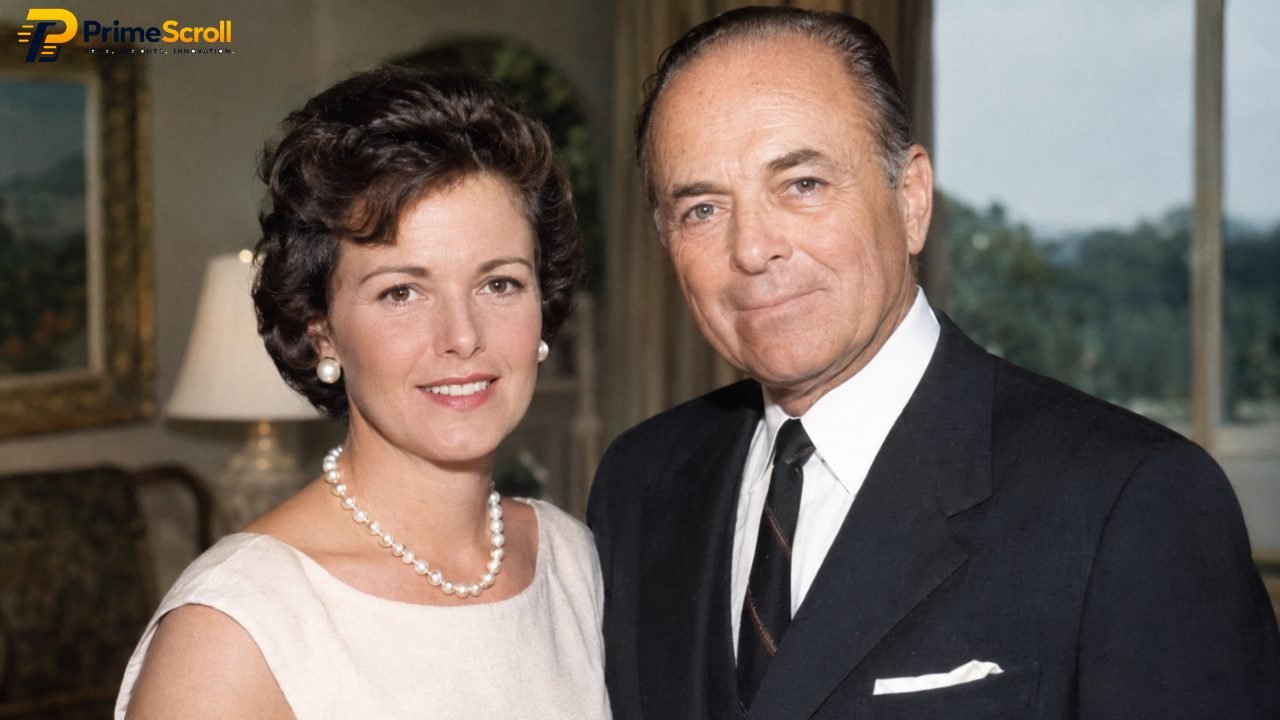

Scott Morfee is an American theatre producer best known as the founder of Barrow Street Theatre, a 199-seat Off-Broadway venue in New York’s West Village. His name is attached to several of the city’s most talked-about small-stage hits, including Our Town, Bug, and Adding Machine.
Yet he rarely shows up in glossy celebrity coverage. Producers work behind the curtain, which is why searches for his name often land on thin, repetitive web pages.
This guide gathers what reliable sources actually say, points out where they disagree, and explains why his small-room approach mattered to New York theatre.
Who Is Scott Morfee?
Morfee is a producer and artistic director. Industry databases credit him with Off-Broadway work spanning more than two decades, and a local profile calls him the founding producer of Barrow Street Theatre inside the Greenwich House building.
He is not an actor or a director. His job is the one that makes a show possible: finding the work, securing the room, assembling the team, and keeping the doors open.
A public relations firm that profiled him described his goal as building a home for bold, unprecedented new work. His track record backs that up.
Early Life and Path Into Theatre
According to a 2016 profile from West Village Originals, Morfee was born in Boston in 1954 and raised in Pittsburgh. He moved to New York in 1977 and started out in marketing and public relations, not theatre.
By his own telling, his passion for the stage grew gradually instead of appearing in childhood. Around the end of the 1980s, he teamed up with some friends to put on a production in Los Angeles, which nudged him toward producing.
That slow-burn route is worth noticing. Many producers come up through acting or directing. A marketing and publicity background probably taught Morfee to think about audiences, money, and how to fill a house.
Barrow Street Theatre: The Room That Defined His Career
Barrow Street Theatre is housed in the Greenwich House building in the heart of Greenwich Village. According to the same profile, Morfee heard in 2003 that the space was free and made it his producing base.
He worked alongside collaborator Tom Wirtshafter, and the stated aim was an environment where artists feel comfortable with the work they make.
With 199 seats, the room is intimate. A compact auditorium means a production can stay open for months without packing in huge crowds every night, and the audience sits within arm’s reach of the performers. By the profile’s count, the theatre and Morfee presented over 100 productions and visiting artists from around the world.
Productions That Built His Reputation
A handful of titles carry most of his reputation. The table below pulls together the best-documented ones.
| Production | Why it matters | Recognition |
|---|---|---|
| Bug (Tracy Letts) | A new play that became one of his signature titles | Won the Lortel for Outstanding Play in 2004; later played Broadway (8 January to 8 March 2026), tracing back to his Off-Broadway staging |
| Adding Machine | A musical staging that earned wide praise | 2008 Lortel winner for Outstanding Musical and a Drama Desk nominee in the same category |
| Our Town (Thornton Wilder) | A long-running revival of an American classic | Took the 2009 Lortel for Outstanding Revival |
| Killer Joe (Tracy Letts) | An early Off-Broadway title linked to his name | Nominated for a Drama Desk Award for Outstanding Revival of a Play in 1999 |
| Tribes (Nina Raine) | New writing presented at Barrow Street | Named among the venue’s successes |
| Every Brilliant Thing | A one-person show presented with Jean Doumanian | Billed as a likely Off-Broadway favourite |
His credits also include Buyer & Cellar, The Flick, and Red Light Winter, plus Cymbeline in 2011 and Hit the Wall in 2013.
Why His Model Worked
The record points to a few repeating habits. The reading below is interpretation, not a claim from any single source.
- Small room, long life. In a 199-seat space, a show can survive on modest audiences night after night.
- New plays beside classics. He pairs original writing such as Tribes and Bug with revivals such as Our Town.
- Relationships over trends. A 2009 Theatre Voice interview links him with Chicago talent like Tracy Letts and David Cromer, and has him discussing how to keep a theatre afloat during the recession.
Asked about his best quality, he gave a two-word answer: playing fair. In an industry famous for hard bargaining, that reply reveals how he hopes to be seen.
Career Timeline at a Glance
| Year | Milestone |
|---|---|
| 1977 | Arrives in New York and begins work in marketing and PR |
| Late 1980s | Co-produces a show in Los Angeles with friends |
| 1999 | Drama Desk nomination connected to Killer Joe |
| 2003 | Hears that the Greenwich House space is free |
| 2004 | Lortel win for Bug (Outstanding Play) |
| 2008 | Lortel win and Drama Desk nomination for Adding Machine |
| 2009 | Lortel win for Our Town (Outstanding Revival) |
| 2011 to 2013 | Credits on Cymbeline and Hit the Wall |
| 2026 | Bug transfers to Broadway, building on his earlier Off-Broadway production |
Separating Fact From Noise Online
Thin names attract filler, and this one is no exception. Plenty of pages recycle the same handful of facts, pad them out, and disagree with each other on the basics.
For example, one lifestyle site says he began working in theatre in 1998, while the 2016 West Village profile places the Greenwich House opportunity in 2003. Another site claims he founded the theatre in 1998 and says it closed in 2018. When dates clash, trust the older, primary-style sources.
Personal life is the second trap. A few entertainment databases mention a marriage, yet sites describe its status differently. Since family details add nothing to understanding his work, this guide skips them.
Sources Worth Trusting
- Broadway databases, such as IBDB, for credits and nominations
- BroadwayWorld for production lists and Lortel wins
- Interviews, including the 2009 Theatre Voice conversation
- Neighbourhood profiles, such as West Village Originals, for background
Frequently Asked Questions
Who is Scott Morfee?
He is an American theatre producer and artistic director, known as the founder of Barrow Street Theatre, an Off-Broadway venue in New York City.
What is Scott Morfee best known for?
He is best known for producing Off-Broadway hits such as Our Town, Bug, and Adding Machine, and for running a 199-seat theatre that hosted more than 100 shows and guest artists.
Has Scott Morfee won any awards?
BroadwayWorld lists three Lortel Awards tied to his productions: Bug (2004), Adding Machine (2008), and Our Town (2009). IBDB also records Drama Desk nominations for Adding Machine and Killer Joe.
Is he the same person as Scott Morrison or Scott McAfee?
No. Scott Morrison is a former Australian prime minister, and Scott McAfee is a former American actor. Search engines sometimes mix up the names, but they are separate people.
Where is Barrow Street Theatre?
It is inside Greenwich House in New York’s Greenwich Village. Some profiles say the venue’s run under Morfee and his collaborators ended around 2018, so check current listings before planning a visit.
What is Scott Morfee’s net worth?
No reliable source publishes it. Be careful with sites that quote exact figures without citing anything.
Final Thoughts
Scott Morfee shows that influence in theatre doesn’t require a spotlight. A producer who finds the right room, trusts good writers, and keeps shows alive can shape a city’s stage for decades.
If you’re researching him, lean on credit databases, award records, and interviews, and treat generic biography pages with caution. The facts that hold up are the work itself: the shows, the awards, and the small West Village room that made them possible.
Also Read: Ronnie Ramsay: The Complete Story of Gordon Ramsay’s Younger Brother