

Have you ever felt unusually connected to a particular animal? Perhaps you admire the confidence of a lion, feel drawn to wolves, or find butterflies fascinating because of their transformation. Sometimes, an animal’s behavior seems to reflect qualities you recognize in yourself.
This is one reason people explore energy animals. The concept connects animal symbolism with personality, emotions, personal values, and spiritual beliefs. Different animals are associated with different characteristics, including courage, independence, loyalty, wisdom, creativity, and transformation.
For some people, energy animals are simply interesting symbols. Others explore them as part of their spiritual practices or personal development. Regardless of how someone approaches the subject, learning about animal meanings can offer an interesting way to understand nature and reflect on personal qualities.
But what are energy animals, what do different animals represent, and how can you discover which animal reflects your personality?
Let’s explore the meanings, examples, cultural interpretations, and practical ways to understand this fascinating subject.
What Are Energy Animals?
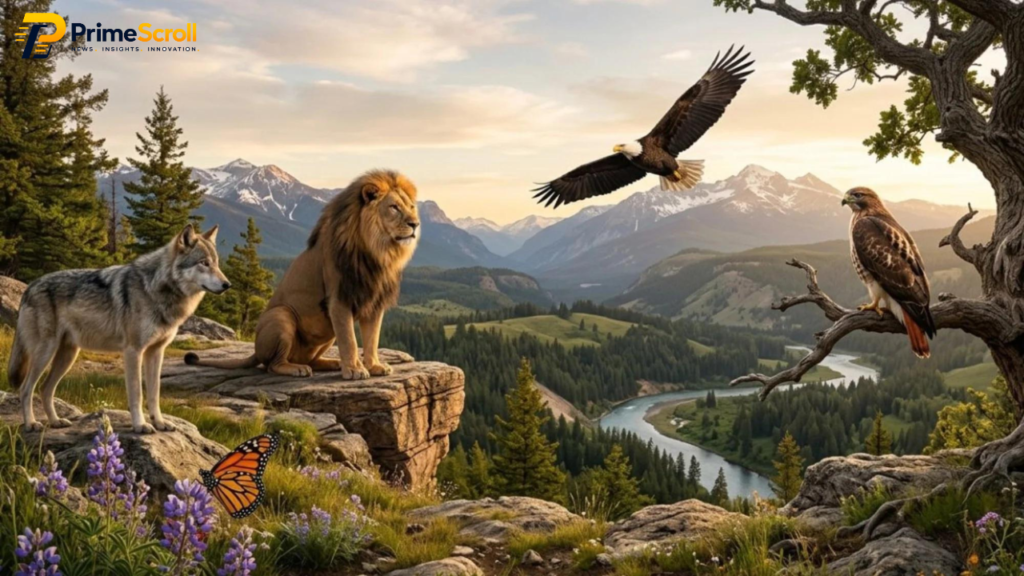
Energy animals are animals associated with particular symbolic qualities, personality characteristics, emotions, or forms of energy.
In spiritual and symbolic interpretations, people connect certain animals with qualities they admire or recognize in themselves. For example, a lion is commonly associated with courage, while a butterfly represents transformation and new beginnings.
These connections can come from several sources:
- Animal behavior: Observing how animals live, communicate, protect themselves, and interact with their surroundings.
- Cultural symbolism: Learning how different societies have represented animals in traditional stories, artwork, and beliefs.
- Personal experiences: Feeling connected to a particular animal because of childhood memories, interests, or meaningful experiences.
- Spiritual beliefs: Exploring the idea that animals can represent guidance, personal lessons, or symbolic messages.
It is important to understand that energy animals are not a scientifically established way of measuring someone’s personality or spiritual condition. Their meanings depend on individual beliefs and cultural interpretations.
For many people, however, they provide an enjoyable way to explore personal identity while developing a greater appreciation for wildlife.
Understanding the Meaning of Different Energy Animals
Every animal has distinctive characteristics, and these behaviors influence how people interpret its symbolism.
Some animals represent strength and leadership, while others are connected with patience, freedom, communication, and personal transformation.
Here are some popular energy animals and the meanings commonly associated with them.
1. Lion: The Energy of Courage and Leadership
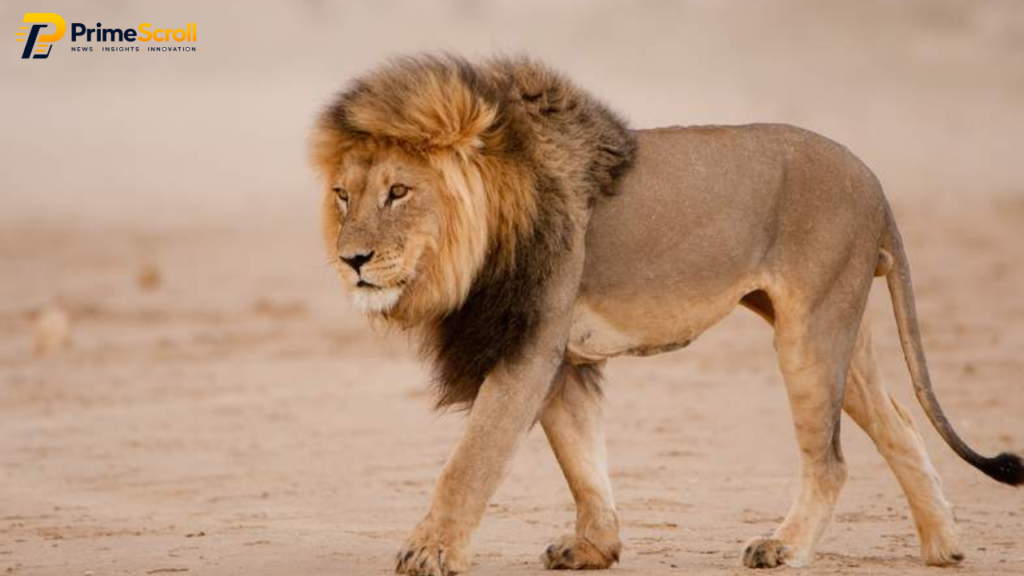
The lion is one of the most recognizable symbols of strength, courage, and leadership. Its impressive presence and position as a major predator in its natural environment have made it a powerful figure in stories, cultural traditions, and symbolic artwork.
People who feel connected to lion energy may admire confidence, determination, and the ability to take responsibility.
Common lion energy meanings include:
- Courage when facing difficult situations.
- Confidence in personal decisions.
- Leadership and responsibility.
- Protection of family and loved ones.
- Determination to achieve important goals.
For example, someone preparing to take on a leadership role might connect with the lion because it represents confidence and responsibility.
The lion can also serve as a reminder that genuine strength involves knowing when to lead, when to listen, and when to support others.
2. Wolf: The Energy of Loyalty and Independence
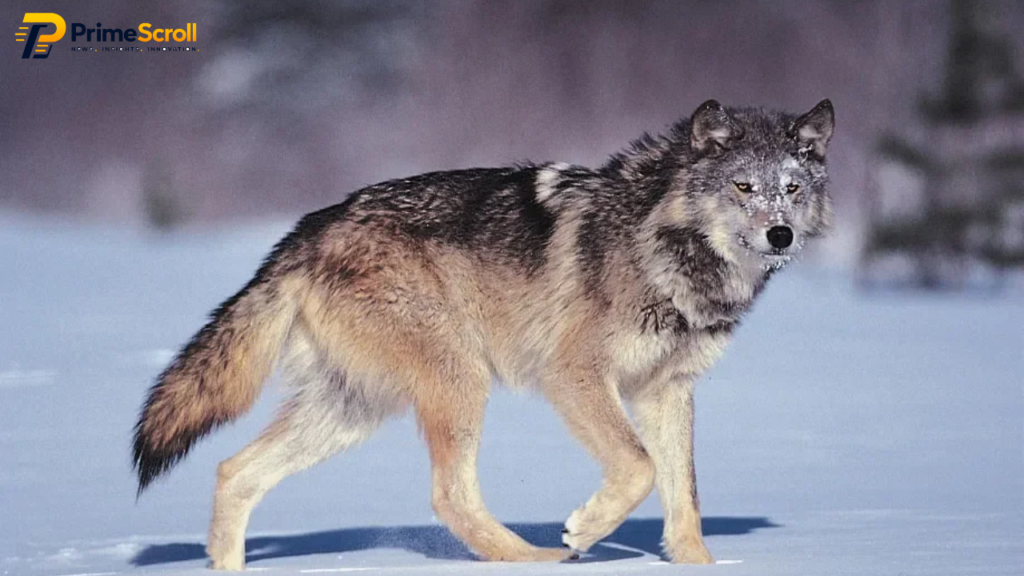
Wolves are fascinating animals because they combine social cooperation with independence. Their relationships within packs have made them common symbols of loyalty, communication, teamwork, and family connections.
At the same time, their ability to adapt to different environments represents independence and resilience.
Wolf energy is commonly associated with:
- Loyalty toward family and friends.
- Strong social connections.
- Independence and self-reliance.
- Awareness of surroundings.
- Cooperation and teamwork.
Someone who values close friendships but also appreciates personal space may find wolf symbolism meaningful.
The wolf represents an interesting balance: being part of a community without losing your individuality.
3. Eagle: The Energy of Freedom and Vision
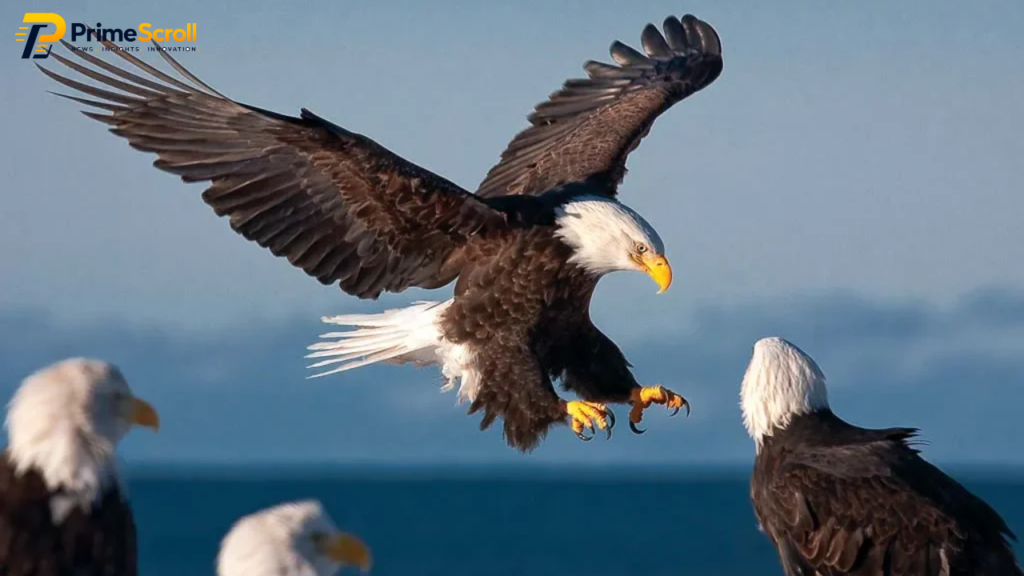
The eagle is frequently associated with freedom, ambition, vision, and independence.
Its ability to soar above landscapes has made it a popular symbol of perspective and looking beyond immediate challenges. Eagles also have impressive eyesight, which contributes to their association with observation and awareness.
Common eagle energy meanings include:
- Freedom and independence.
- Clear vision and perspective.
- Ambition and determination.
- Confidence in decision-making.
- Personal growth.
Imagine someone working toward a major career goal. Eagle symbolism may remind that person to focus on long-term progress rather than becoming distracted by temporary difficulties.
It represents the importance of maintaining direction while staying aware of opportunities.
4. Owl: The Energy of Wisdom and Observation
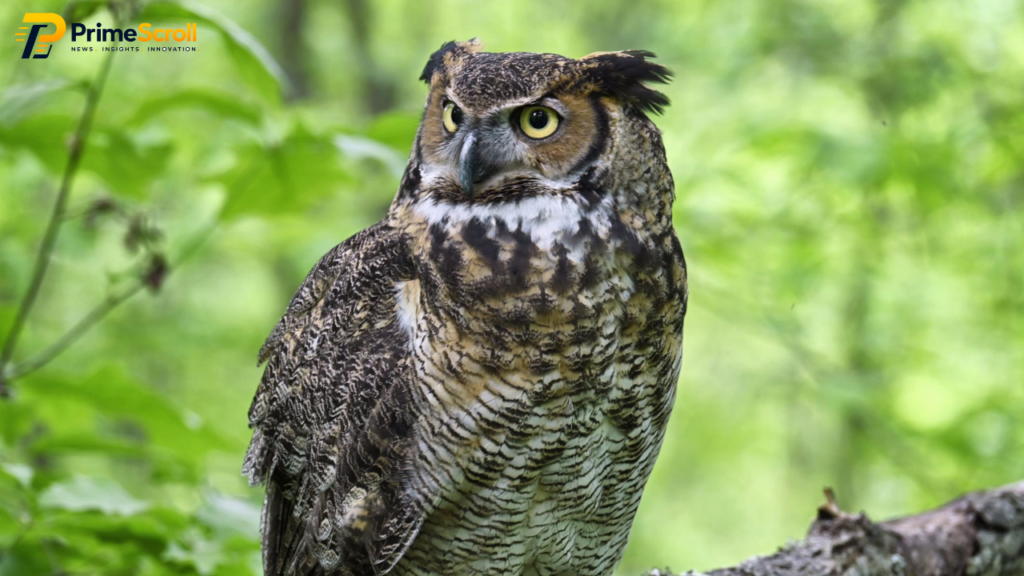
Owls have fascinated people for centuries because of their distinctive appearance, nighttime activity, and impressive hunting abilities.
In many cultural traditions, they are associated with wisdom, knowledge, observation, and mystery.
People who identify with owl energy may appreciate learning, careful thinking, and understanding situations before making decisions.
Owl symbolism often represents:
- Wisdom and knowledge.
- Intelligence and observation.
- Patience and careful thinking.
- Awareness of surroundings.
- Personal understanding.
An owl can be a useful symbolic reminder to avoid rushing into decisions.
Sometimes, taking time to observe a situation provides a clearer understanding than immediately reacting to it.
5. Butterfly: The Energy of Transformation
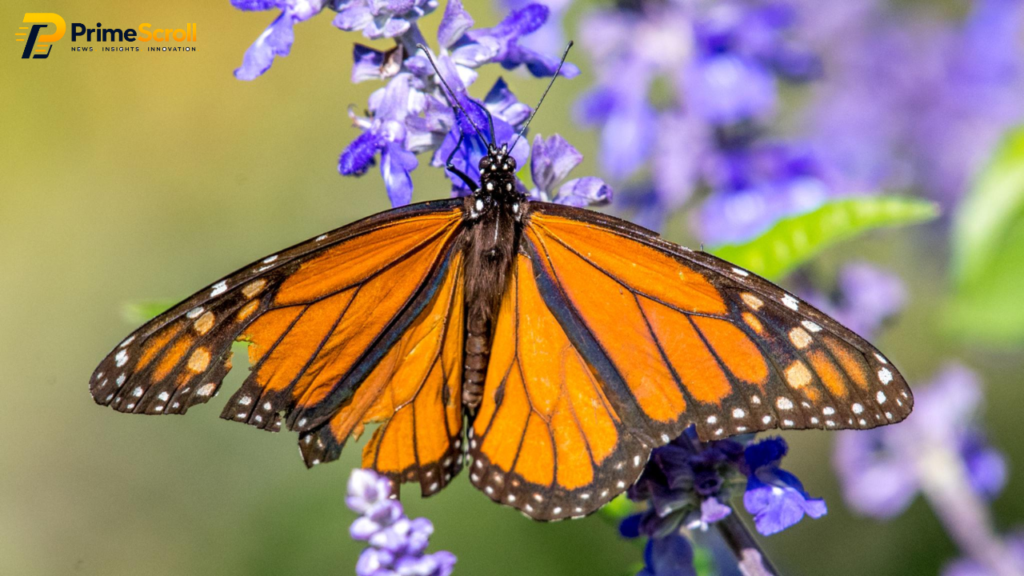
The butterfly is one of the most popular symbols of personal transformation.
Its life cycle, which includes the stages of egg, caterpillar, pupa, and adult butterfly, provides a natural example of biological change. This process has inspired people to associate butterflies with growth, renewal, and new beginnings.
Butterfly energy is commonly connected with:
- Personal transformation.
- New opportunities.
- Emotional development.
- Creativity and freedom.
- Accepting changes in life.
For example, someone starting a new career, moving to another city, or learning a new skill might find butterfly symbolism meaningful.
The butterfly reminds us that change is a natural part of life and that personal development takes time.
6. Dolphin: The Energy of Joy and Communication
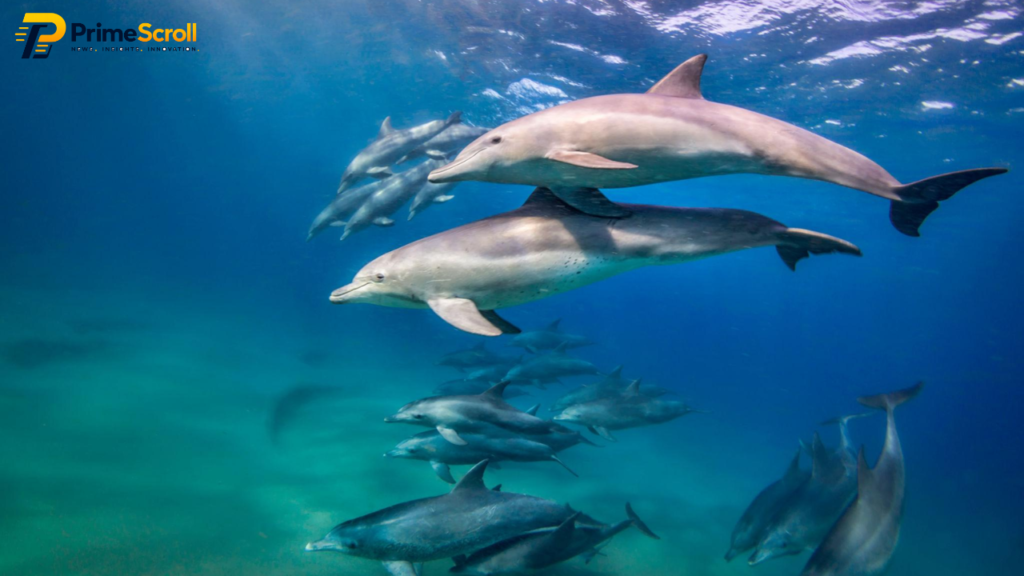
Dolphins are highly social marine mammals known for their communication abilities, intelligence, and complex social behavior.
Their playful movements and interactions have made them popular symbols of friendship, happiness, cooperation, and emotional connection.
Dolphin energy may represent:
- Positive communication.
- Friendship and relationships.
- Happiness and playfulness.
- Social intelligence.
- Cooperation and connection.
Someone who enjoys meeting new people and building friendships may connect with dolphin symbolism.
It can also remind people to make time for enjoyable activities instead of focusing entirely on responsibilities.
7. Bear: The Energy of Strength and Protection
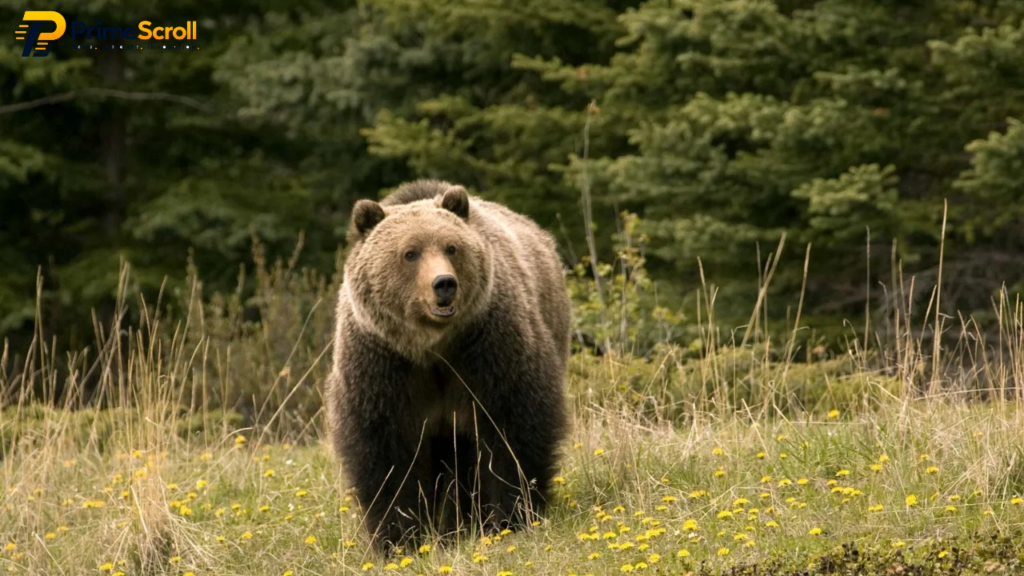
Bears are associated with strength, protection, patience, and independence.
Different bear species live in varied environments, and their ability to survive changing seasonal conditions has contributed to their symbolic connection with resilience and adaptability.
Bear energy is often associated with:
- Inner strength.
- Protection of loved ones.
- Independence.
- Patience and reflection.
- Personal boundaries.
For someone who values family, personal space, and emotional balance, bear symbolism can represent the importance of protecting what matters.
It also highlights the value of knowing when to take action and when to rest.
8. Fox: The Energy of Intelligence and Adaptability
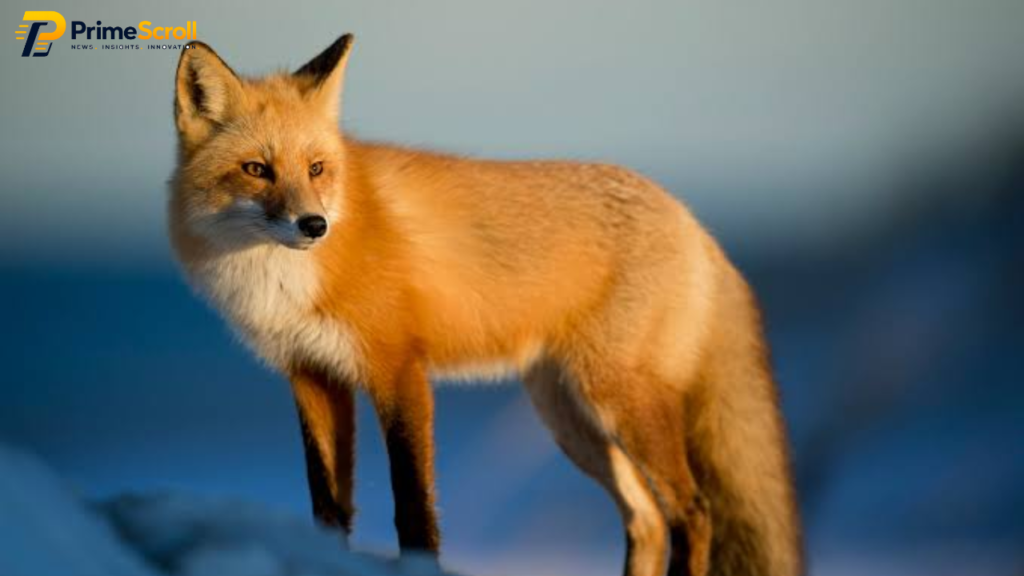
The fox is often associated with cleverness, curiosity, intelligence, and adaptability.
Foxes are known for their ability to respond to changing environmental conditions and use different strategies when searching for food.
In animal symbolism, these characteristics represent resourcefulness and creative problem-solving.
Fox energy commonly represents:
- Intelligence and quick thinking.
- Adaptability.
- Curiosity and exploration.
- Creative problem-solving.
- Awareness of opportunities.
For example, someone who enjoys solving complicated problems or finding alternative solutions may appreciate fox symbolism.
The fox represents the idea that intelligence is not only about knowing information but also about using it effectively.
9. Elephant: The Energy of Wisdom and Patience
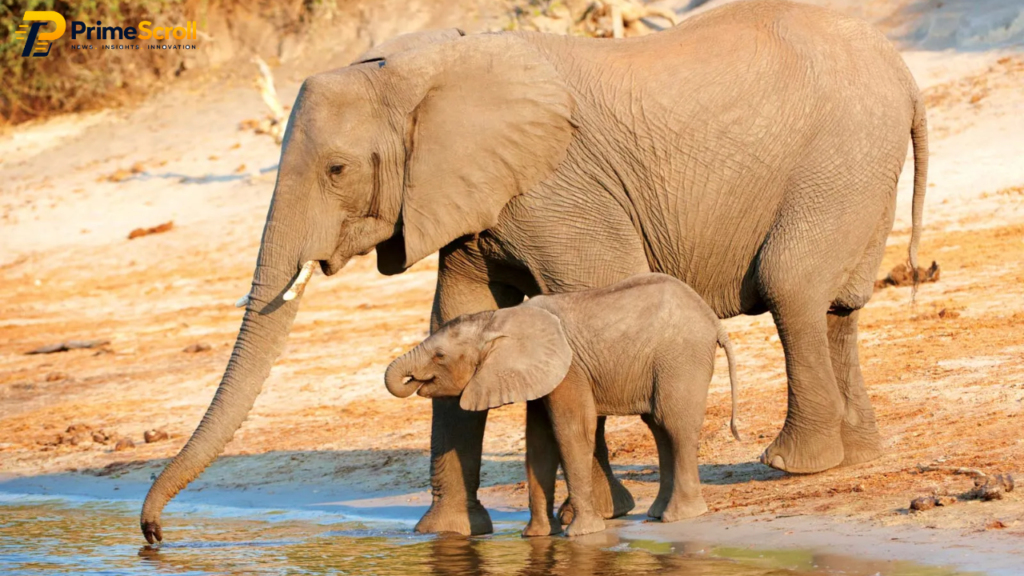
Elephants are known for their intelligence, social relationships, communication, and complex family structures.
Their strong social bonds have made them important symbols of loyalty, patience, memory, and family connections.
Elephant energy is commonly associated with:
- Wisdom and experience.
- Patience and understanding.
- Family relationships.
- Strength and resilience.
- Loyalty and protection.
Elephant symbolism may appeal to someone who values family traditions, long-term relationships, and thoughtful decision-making.
It can also represent the importance of learning from past experiences without allowing them to prevent future progress.
10. Deer: The Energy of Gentleness and Peace
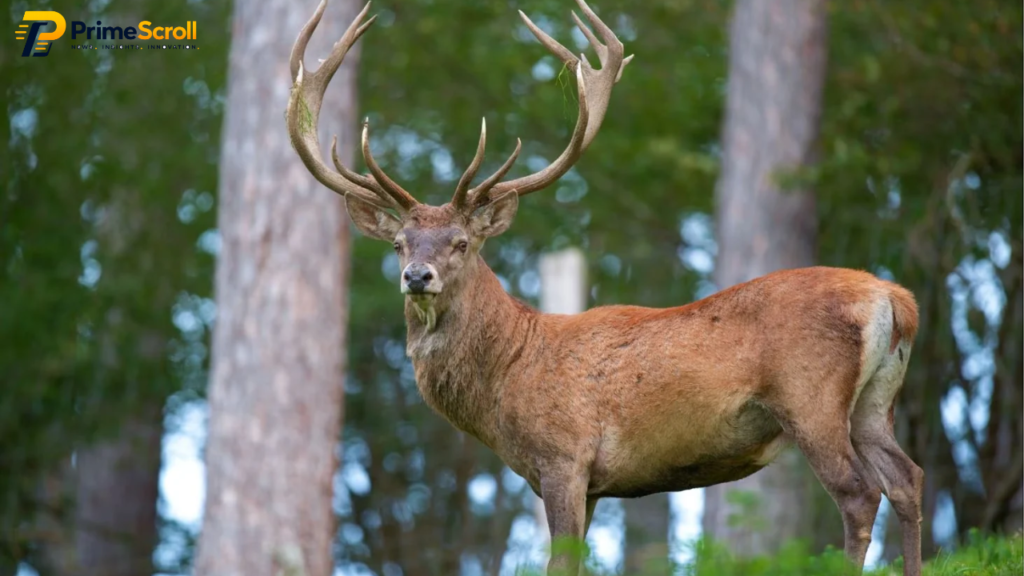
Deer are frequently associated with gentleness, sensitivity, awareness, and peace.
Their cautious behavior and ability to remain alert in natural environments contribute to their symbolic connection with observation and emotional sensitivity.
Deer energy may represent:
- Kindness and compassion.
- Peace and harmony.
- Sensitivity toward others.
- Awareness and patience.
- Gentle confidence.
Someone who values peaceful relationships and prefers resolving disagreements calmly may connect with deer symbolism.
The deer reminds us that gentleness and strength can exist together.
Energy Animals and Their Meanings: Quick Comparison
The following table summarizes some popular animals and the qualities commonly associated with them.
| Energy animal | Main symbolic meaning | Associated qualities |
|---|---|---|
| Lion | Strength | Courage, leadership |
| Wolf | Loyalty | Teamwork, independence |
| Eagle | Freedom | Vision, ambition |
| Owl | Wisdom | Intelligence, observation |
| Butterfly | Transformation | Growth, creativity |
| Dolphin | Joy | Friendship, communication |
| Bear | Protection | Patience, resilience |
| Fox | Intelligence | Adaptability, curiosity |
| Elephant | Wisdom | Memory, family |
| Deer | Peace | Gentleness, sensitivity |
| Horse | Freedom | Confidence, movement |
| Snake | Renewal | Change, transformation |
These are general interpretations rather than fixed meanings. The same animal may represent different qualities in different cultures and personal belief systems.
Different Types of Energy Animals
Energy animals can also be grouped according to the symbolic qualities people associate with them.
This makes it easier to understand which animals may reflect particular interests, values, or personal characteristics.
Animals Associated With Strength and Protection
These animals are commonly connected with confidence, resilience, and responsibility.
Examples include:
- Lion: Leadership and courage.
- Bear: Protection and personal strength.
- Elephant: Wisdom and family loyalty.
Their symbolism can be meaningful for people who value responsibility, independence, and supporting loved ones.
Animals Associated With Freedom and Independence
These animals are commonly associated with movement, ambition, and personal freedom.
Examples include:
- Eagle: Vision and independence.
- Horse: Freedom and confidence.
- Hawk: Focus and awareness.
Their symbolic meanings may appeal to people who enjoy exploring new opportunities and setting personal goals.
Animals Associated With Peace and Emotional Balance
These animals often represent gentleness, harmony, and sensitivity.
Examples include:
- Dove: Peace and harmony.
- Deer: Compassion and gentleness.
- Swan: Grace and balance.
They can serve as symbols of kindness, patience, and maintaining positive relationships.
Animals Associated With Creativity and Transformation
These animals represent change, curiosity, and the ability to adapt.
Examples include:
- Butterfly: Personal transformation.
- Fox: Creative thinking.
- Chameleon: Adaptability and flexibility.
Their symbolism can be particularly interesting for people experiencing new opportunities or exploring different interests.
How to Discover Your Energy Animal
Finding an animal that represents your energy does not require an expensive consultation, complicated test, or special equipment.
You can begin by examining your personality, interests, and the characteristics you admire in different animals.
Here are five practical ways to explore your personal connection.
1. Understand Your Personality
Start by thinking about the qualities that describe you.
Consider questions such as:
- Do you prefer working independently or as part of a team?
- Are you comfortable taking responsibility?
- Do you enjoy exploring new ideas?
- Do you usually make decisions quickly or carefully?
- Do you value adventure or stability?
Compare your answers with the symbolic meanings of different animals.
For example, someone who appreciates independence and freedom might connect with the eagle, while someone who values teamwork and loyalty might prefer the wolf.
2. Notice Which Animals Attract Your Attention
Think about the animals you naturally enjoy watching, reading about, or learning about.
Perhaps you regularly watch documentaries about elephants or enjoy observing birds in your garden.
This interest does not necessarily indicate a supernatural connection. However, it can help you identify the characteristics and behaviors that you find meaningful.
3. Reflect on Your Dreams
Animals sometimes appear in dreams, and different traditions interpret these experiences in different ways.
For example:
- A butterfly may symbolize change.
- A wolf may represent loyalty or independence.
- An eagle may represent freedom.
- A deer may represent gentleness.
Dreams do not provide scientifically verified predictions or messages. Their meaning is personal and can be influenced by memories, emotions, and daily experiences.
4. Consider Your Current Life Experiences
Your connection with animal symbolism may change depending on what is happening in your life.
Someone preparing for an important challenge may appreciate lion symbolism, while a person starting a new chapter may find inspiration in the butterfly.
Think about the qualities you currently want to develop:
- More confidence?
- Better communication?
- Greater patience?
- Stronger independence?
- More creativity?
Choose an animal whose symbolism gives you a helpful way to reflect on those qualities.
5. Keep a Personal Animal Journal
Writing down your observations can make this exploration more meaningful.
Create a simple journal and record:
- Animals that regularly catch your attention.
- Their natural behaviors and characteristics.
- Symbolic meanings that interest you.
- Personal experiences connected with those animals.
- Qualities you would like to develop.
After several weeks, review your notes. You may notice that certain animals or characteristics appear more frequently than others.
Are Energy Animals and Spirit Animals the Same?
The terms energy animals and spirit animals are closely related in some modern spiritual discussions, but they do not always mean the same thing.
Energy animals generally refer to animals that symbolically represent particular personality characteristics, emotions, or personal qualities.
Spirit animals may refer to animals believed to provide spiritual guidance or hold a special place within particular belief systems.
The term also requires cultural sensitivity because Indigenous communities have their own distinct traditions involving animal relationships and spiritual teachings.
Here is a simple comparison:
| Term | General explanation |
|---|---|
| Energy animals | Animals associated with symbolic qualities or personal energy |
| Spirit animals | Animals with spiritual significance in particular belief systems |
| Power animals | Animals associated with strength or guidance in some spiritual practices |
| Animal symbolism | Meanings and ideas connected with different animal species |
These concepts should not automatically be treated as interchangeable, especially when discussing specific cultural traditions.
Can Your Energy Animal Change Over Time?
Yes. Your personal connection with an animal can change as your experiences, interests, and priorities develop.
For example, you might initially identify with the lion because you admire confidence and leadership. Later, you may find butterfly symbolism more meaningful because you are going through a period of personal growth.
There is no universal rule stating that everyone must have one permanent energy animal.
Some people connect with several animals, while others prefer one particular symbol for many years.
You can also admire the qualities of an animal without considering it your personal energy animal.
The purpose of exploring these symbols is to encourage reflection, not to place permanent labels on your personality.
What Do Energy Animals Represent in Different Cultures?
Animals have played important roles in storytelling, religion, art, and traditional beliefs across the world.
However, their meanings are not identical everywhere.
For example, the owl is associated with wisdom in some traditions, while its symbolism can have different associations elsewhere. Snakes may represent renewal and transformation in certain contexts, but they can also symbolize danger or other ideas.
Similarly, lions have represented royalty, courage, and authority in various historical cultures.
When researching animal symbolism, it is helpful to consider the cultural background rather than assuming that one interpretation applies universally.
A few examples include:
- Ancient Egyptian symbolism: Several animals were associated with particular deities and religious ideas.
- Greek traditions: Owls were associated with Athena, a goddess connected with wisdom.
- Chinese cultural symbolism: Dragons, tigers, and other animals have important roles in traditional symbolism.
- European folklore: Foxes and wolves frequently appear in stories that explore intelligence, survival, and human behavior.
Understanding these differences makes the subject more interesting and prevents misleading generalizations.
Benefits of Exploring Energy Animals
Learning about energy animals can be useful as a form of personal reflection and nature education.
Although their spiritual meanings are not scientifically proven, exploring animal symbolism can offer several practical benefits.
1. Better self-reflection: Comparing animal characteristics with your own values can help you identify personal strengths and interests.
2. Greater appreciation for wildlife: Learning about animals encourages curiosity about their natural behavior, habitats, and ecological importance.
3. Creative inspiration: Animal symbolism can inspire writing, artwork, photography, storytelling, and other creative activities.
4. Positive personal reminders: Symbols such as the lion, butterfly, and owl can remind people of qualities they want to practice.
5. Cultural understanding: Exploring different animal traditions can introduce you to stories, historical beliefs, and cultural perspectives.
The most useful approach is to enjoy the symbolism while respecting the difference between personal beliefs and scientific evidence.
Frequently Asked Questions About Energy Animals
1. What are energy animals?
Energy animals are animals associated with symbolic meanings, personality traits, and emotional qualities. For example, lions commonly represent courage, wolves represent loyalty, and butterflies represent transformation.
2. How can I find my energy animal?
You can explore your energy animal by considering your personality, favorite animals, personal experiences, and the characteristics you admire. Keeping a journal may also help you recognize meaningful connections.
3. Can I have more than one energy animal?
Yes. There is no universal rule limiting someone to one energy animal. Different animals may represent different aspects of your personality, interests, or personal development.
4. Which energy animal represents strength?
The lion and bear are commonly associated with strength and protection. The elephant is also connected with resilience, patience, and wisdom. The meaning depends on personal interpretation.
5. Are energy animals scientifically real?
Energy animals are a spiritual and symbolic concept, not a scientifically established system. There is no verified scientific method for identifying an animal connected to someone’s personal energy.
Finding Meaning Through the Animal World
Energy animals offer an interesting way to explore the characteristics of wildlife and the meanings people attach to different species. Whether you admire the courage of a lion, the independence of an eagle, the loyalty of a wolf, or the transformation of a butterfly, every animal has something interesting to teach us about the natural world.
You do not need to follow a particular spiritual belief to appreciate these connections. Start by learning about animal behavior, exploring different cultural interpretations, and thinking about the qualities that matter most to you.
Your favorite animal may become a meaningful symbol of your values, interests, or personal goals. The real value comes from what you learn through that connection and how it encourages you to appreciate both yourself and the world around you.
Also Read: Best Tarta de Choclo Near Me: Where to Find a Truly Authentic Slice


One thought on “Energy Animals: Meaning, Symbolism, Different Types, and How to Discover Your Animal”