
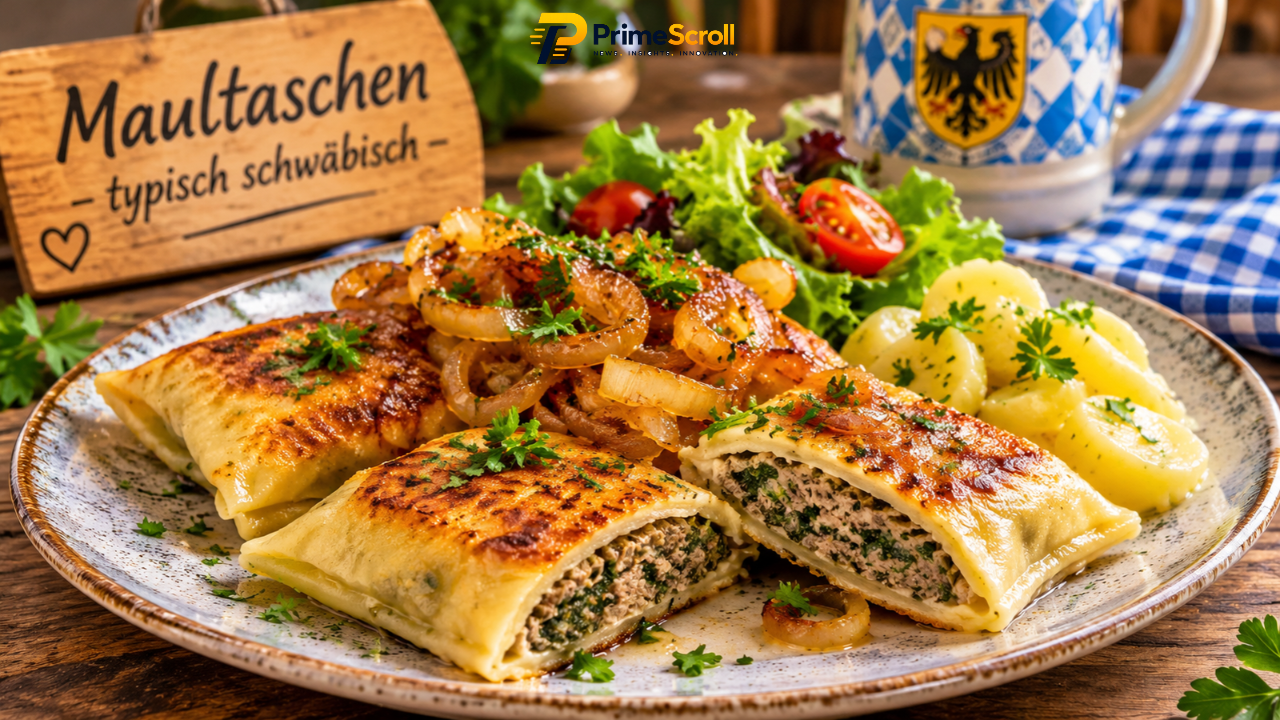
You know that moment when you’re craving something comforting, filling, and a little different from the usual restaurant menu? That’s exactly when searching for best Maultaschen near me makes sense. These delicious German dumplings bring together soft pasta dough, savory fillings, and centuries of Swabian food tradition in one satisfying dish.
But finding genuinely good Maultaschen is not always as simple as choosing the first German restaurant that appears on Google Maps. Some places prepare them using traditional family recipes, while others serve modern interpretations with different fillings, sauces, and toppings.
Whether you’re exploring Stuttgart’s traditional food scene, visiting a German restaurant abroad, or simply curious about this famous Swabian specialty, knowing what makes authentic Maultaschen special can help you find a memorable meal.
Let’s explore their history, the most popular preparations, what to look for on restaurant menus, and how to enjoy them even when you’re far from Germany.
What Are Maultaschen? Understanding Germany’s Famous Dumplings
Swabian Maultaschen are a beloved German specialty made from pasta dough wrapped around a flavorful filling. They have deep roots in southwestern Germany, particularly in the Swabian region. They are generally rectangular or square pockets made from thin pasta dough and filled with a savory mixture.
Unlike small Italian ravioli, Maultaschen are usually considerably larger and can be served as a complete meal rather than just a small pasta course.
Traditional fillings often include:
- Minced meat, particularly pork or beef.
- Spinach and other leafy vegetables.
- Breadcrumbs and eggs.
- Onions and fresh herbs.
- Seasonings that give the filling its distinctive savory taste.
Modern recipes have expanded the choices considerably. Depending on the restaurant, you might find vegetarian Maultaschen, cheese-filled varieties, or creative versions featuring seasonal vegetables.
What makes them particularly interesting is their versatility. They can be served in broth, pan-fried with onions, or prepared with eggs for a hearty meal.
The History of Maultaschen: The Story Behind Herrgottsbescheißerle
Maultaschen are more than just another German comfort food. They have a cultural history closely connected to Swabian traditions and regional cooking.
One of the most famous stories surrounding their origin involves monks who supposedly wanted to enjoy meat during Lent, when religious traditions called for avoiding meat.
According to the popular legend, they mixed meat with spinach, herbs, and other ingredients before wrapping everything inside pasta dough. The filling was hidden from plain sight, leading to the humorous nickname Herrgottsbescheißerle.
The expression roughly translates to “little God-cheaters.”
The idea was that if the meat was concealed inside pasta, perhaps even God would not notice!
It is a memorable story that has become part of the dish’s cultural identity. However, it is important to understand that this is a regional legend rather than a historically established account of how Maultaschen were invented.
Why Maultaschen Matter in Swabian Food Culture
Maultaschen became an important part of Swabian cuisine because they offered a practical way to combine available ingredients into a filling and economical meal.
They are now associated with:
- Traditional family cooking.
- Regional German restaurants.
- Swabian festivals and food culture.
- Homemade recipes passed between generations.
- Comfort food enjoyed throughout the year.
Their popularity has also spread beyond southwestern Germany, making them recognizable among fans of traditional European cuisine.
Are Maultaschen Protected by PGI Status?
One important detail to understand when researching authentic Maultaschen is their geographical recognition.
PGI stands for Protected Geographical Indication. It is a European Union quality scheme that connects a food product’s reputation or characteristics with a particular geographical region.
Maultaschen have received recognition under the EU’s PGI system as Schwäbische Maultaschen.
This protection helps distinguish the registered regional product from generic versions made elsewhere.
However, PGI does not mean that every dumpling called Maultaschen must be manufactured in one particular restaurant or that no similar recipe can exist outside the region.
When authenticity matters to you, look for references to Schwäbische Maultaschen and check whether the product or restaurant explains its regional sourcing and preparation.
Best Maultaschen Near Me: 7 Ways to Find Authentic Options
Finding a restaurant that serves excellent Maultaschen requires more than searching for German food. You want to identify places that understand the dish and prepare it with attention to its traditional character.
Here are seven practical ways to narrow your search.
1. Search for Traditional Swabian Restaurants
Start with restaurants specializing in Swabian or southern German cuisine.
A general European restaurant might occasionally offer Maultaschen, but establishments focused on regional German dishes are often a better starting point.
Try searching for:
- Maultaschen restaurant near me.
- Schwäbische Maultaschen near me.
- Swabian restaurants nearby.
- Homemade German dumplings.
- Traditional German restaurants near me.
If you’re in Germany, Stuttgart, Ulm, Tübingen, Esslingen, and Reutlingen are particularly interesting destinations for exploring Swabian food.
2. Read Restaurant Menus Carefully
A restaurant mentioning Maultaschen on its website does not necessarily mean it prepares them traditionally.
Look at the complete dish description rather than relying on the name alone.
Good menu descriptions may mention:
- Handmade or house-prepared pasta.
- Traditional meat or vegetarian fillings.
- Beef or vegetable broth.
- Butter-fried onions.
- Fresh herbs.
- Swabian potato salad.
Also check whether the restaurant offers different preparation methods. A menu with several options can give you a better opportunity to discover your preferred style.
3. Examine Customer Photos, Not Just Star Ratings
Customer photographs can reveal details that written reviews sometimes miss.
When browsing Google Maps, restaurant websites, or dining platforms, look for photographs showing:
- Their overall appearance, including the shape and portion size of each dumpling.
- Whether the pasta looks tender and properly cooked.
- The appearance of the filling.
- The amount of sauce or broth.
- The quality of accompanying side dishes.
Pay attention to photographs uploaded recently. Older pictures may show dishes that are no longer available or reflect a previous menu.
A restaurant with consistently appealing, genuine customer photographs can be worth investigating.
4. Look for Regional Roots and Traditional Side Dishes
Authenticity is not only about the dumplings themselves. The accompanying dishes can also tell you something about a restaurant’s regional cooking style.
One particularly good sign is the availability of Swabian potato salad, known locally as Schwäbischer Kartoffelsalat.
Unlike many creamy potato salads, the traditional Swabian version is commonly prepared with a warm broth-based dressing, vinegar, oil, mustard, and onions.
Other traditional accompaniments include:
- Fresh seasonal salads.
- Butter-fried onions.
- Clear meat or vegetable broth.
- Fresh parsley.
- Regional bread.
A restaurant offering several of these specialties may have a stronger connection to Swabian culinary traditions.
5. Check Whether the Maultaschen Are Homemade
Homemade Maultaschen can provide a particularly enjoyable experience.
Restaurants that prepare their own pasta dough and fillings may have greater control over texture, seasoning, and portion size.
However, handmade does not automatically mean authentic or better.
Ask whether the dumplings are prepared in-house, whether the filling is made from fresh ingredients, and whether the restaurant follows a traditional Swabian recipe.
6. Compare Prices, Portions, and Reviews
Do not choose a restaurant based entirely on its price or overall rating.
A more useful approach is to compare several factors together:
- Price relative to portion size.
- Recent customer feedback.
- Ingredient quality.
- Menu variety.
- Service and atmosphere.
- Availability of traditional preparations.
A moderately priced restaurant with consistent positive comments about its Maultaschen may offer better value than an expensive establishment with limited feedback.
7. Confirm Availability Before Visiting
Some restaurants offer Maultaschen as daily specials rather than permanent menu items.
Before making a special trip, check the restaurant’s current menu or contact its staff.
This is especially important when visiting smaller restaurants or establishments outside Germany.
Confirming availability beforehand can save you time and prevent disappointment.
Maultaschen Styles and Preparations: Which One Should You Try?
One of the best things about Maultaschen is that the same basic dumpling can taste completely different depending on how it is prepared.
Here are five popular styles worth looking for.
Table 1: Maultaschen Styles and Preparations
| Style | Serving Method | Flavor Profile | Best For |
|---|---|---|---|
| Maultaschen in broth | Served in warm meat or vegetable broth | Mild, savory, and comforting | First-time visitors |
| Geschmälzt | Topped with butter-fried onions | Rich, buttery, and aromatic | Traditional food lovers |
| Gebraten | Pan-fried until lightly golden | Savory with a lightly crisp exterior | People who enjoy fried dishes |
| Maultaschen with egg | Sliced and cooked with beaten eggs | Rich, soft, and filling | A hearty lunch |
| Vegetarian Maultaschen | Filled with spinach, cheese, or vegetables | Fresh, mild, and savory | Vegetarians |
Maultaschen in Broth
This is one of the most recognizable ways to serve traditional Maultaschen.
The dumplings are placed in a warm broth, often with chopped parsley or other herbs.
It is a particularly good choice if you want to experience the dish in a simple, traditional form.
Geschmälzte Maultaschen
The word geschmälzt refers to a preparation involving melted fat or butter, commonly accompanied by fried onions.
The onions add sweetness and aroma, while the butter gives the dish a richer taste.
This is an excellent option for anyone who enjoys traditional Swabian cooking.
Gebratene Maultaschen
Pan-fried Maultaschen offer a different experience.
The dumplings are cooked in a pan until their exterior develops a lightly golden texture. They may be served with salad, onions, or other side dishes.
If you enjoy dishes with a little crispness, this preparation is worth trying.
Maultaschen with Egg
Another popular preparation involves slicing cooked Maultaschen and frying them with eggs.
The result is a filling meal that combines soft pasta, savory filling, and lightly cooked egg.
It is particularly popular as a practical lunch or quick home-style dinner.
Vegetarian Maultaschen
Vegetarian versions make the dish accessible to people who do not eat meat.
Common fillings include:
- Spinach and cheese.
- Mushrooms and herbs.
- Seasonal vegetables.
- Breadcrumbs and onions.
Always check the ingredient list because some recipes use meat-based broth even when the dumpling filling itself is vegetarian.
How to Choose the Best Maultaschen Restaurant
When several restaurants appear in your search results, comparing them systematically can help you make a more informed choice.
Table 2: Quick Checklist to Compare Local Restaurants
| Criteria | What to Look For |
|---|---|
| Authenticity | Swabian recipes and regional culinary influences |
| Ingredients | Fresh fillings and good-quality pasta |
| Menu variety | Broth, fried, vegetarian, and traditional options |
| Customer photos | Recent photographs showing actual dishes |
| Reviews | Specific comments about Maultaschen |
| Side dishes | Traditional Swabian potato salad and fresh accompaniments |
| Pricing | Fair prices relative to portion size |
| Availability | Current menu listing or confirmation from staff |
| Service | Helpful staff who understand the menu |
Use this checklist to compare your top choices instead of automatically selecting the restaurant with the highest rating.
Where to Find Maultaschen Outside Germany
Finding authentic Maultaschen outside Germany may require a little more searching, but there are several practical options.
1. German Specialty Delis
German delicatessens are among the best places to start.
These shops may stock fresh, refrigerated, or packaged Maultaschen, depending on their suppliers.
Ask whether they carry Schwäbische Maultaschen or products made using traditional Swabian recipes.
2. European Grocery Stores
Some larger European food markets and international supermarkets carry German regional products.
Check their refrigerated pasta and frozen food sections.
You may also find packaged varieties imported from Germany.
3. Frozen Food Markets
Frozen Maultaschen can be a convenient alternative when fresh products are unavailable.
Before purchasing, check:
- The ingredient list.
- Country of origin.
- Storage instructions.
- Cooking directions.
- Whether the filling suits your dietary preferences.
Frozen products can be a useful way to enjoy the dish without preparing everything from scratch.
4. German Restaurants Abroad
Restaurants specializing in German, Austrian, or Central European cuisine may occasionally include Maultaschen on their menus.
Contact the restaurant before visiting to confirm availability.
5. Make Them at Home
If you cannot find Maultaschen locally, preparing them yourself is another option.
You will need pasta dough and a suitable filling. Traditional meat fillings commonly combine minced meat, spinach, onions, breadcrumbs, eggs, and herbs.
Vegetarian versions can use spinach, mushrooms, cheese, and seasonal vegetables.
Prepare the filling, place it between sheets of pasta dough, seal the edges, and cut the dumplings into individual portions.
Cook them in gently simmering water or broth until ready.
For a traditional serving, pair them with warm broth or butter-fried onions and Swabian-style potato salad.
Common Mistakes to Avoid When Searching for Maultaschen
Finding the right restaurant becomes easier when you know which mistakes to avoid.
Choosing a restaurant based only on its rating: A high overall rating does not guarantee excellent Maultaschen. Read dish-specific reviews.
Ignoring menu descriptions: Check whether the restaurant serves traditional Maultaschen or a modern variation.
Assuming every dumpling is vegetarian: Some vegetable-filled varieties may still contain meat-based broth or other animal ingredients.
Ignoring recent photographs: Older customer images may not reflect the current menu.
Travelling without checking availability: Confirm that the dish is being served before visiting.
These simple checks can help you make a better dining decision.
Frequently Asked Questions About Maultaschen
1. Where can I find the best Maultaschen near me?
Search Google Maps for Maultaschen restaurants, German restaurants, and Swabian food nearby. Compare recent reviews, customer photographs, menus, and preparation methods before choosing a restaurant.
2. What is the difference between Maultaschen and ravioli?
Both are filled pasta dishes, but Maultaschen are traditionally larger, rectangular German dumplings with distinctive savory fillings. Ravioli are generally smaller and commonly associated with Italian cuisine.
3. What does Herrgottsbescheißerle mean?
Herrgottsbescheißerle is a humorous Swabian expression meaning “little God-cheaters.” According to a popular regional legend, monks concealed meat inside pasta during Lent, inspiring the nickname.
4. Are Maultaschen vegetarian?
Some versions are vegetarian and contain spinach, cheese, mushrooms, or vegetables. Traditional recipes frequently include meat, so always check the ingredients and broth before ordering.
5. What is the most traditional way to serve Maultaschen?
Maultaschen served in broth and Maultaschen topped with butter-fried onions are two popular traditional preparations. They can also be enjoyed with Swabian potato salad.
6. Can I buy Maultaschen outside Germany?
Yes. Look for them in German specialty delis, European grocery stores, frozen food markets, and restaurants specializing in German cuisine. Availability varies by country and location.
Final Thoughts
Maultaschen are much more than ordinary stuffed pasta. They represent the history, creativity, and comfort-food traditions of Swabia, bringing together simple ingredients in a dish that has remained popular for generations.
When searching for the best Maultaschen near me, focus on restaurants that understand the regional roots of the dish, offer appealing preparation styles, and receive genuine feedback about their food.
Whether you choose Maultaschen in broth, enjoy them with butter-fried onions, or try a vegetarian version, there is plenty to discover.
And if you ever get the opportunity to enjoy freshly prepared Schwäbische Maultaschen with traditional Swabian potato salad, it is an experience worth having.
Good food is not just about what is on the plate; it is also about the story and tradition behind it.
Also Read: Giveaway LookWhatMomFound: 7 Proven Ways to Enter, Win and Stay Safe in 2026



One thought on “Best Maultaschen Near Me: 2026 Guide to Authentic Swabian German Dumplings”